
Beef Liver Benefits: The Most Nutrient-Dense Food You're Probably Not Eating
Ounce for ounce, beef liver is the most nutrient-dense food we've ever encountered. More B12 than salmon. More iron than spinach. More vitamin A than carrots. It outperforms most synthetic multivitamins on nearly every metric — and delivers those nutrients in forms your body is built to absorb.
We built Field & Form around this single truth. After spending years sourcing and studying nutrient-dense animal foods, we kept arriving at the same conclusion: beef liver isn't just good for you, it's in a category of its own. Here's the science behind why.
The Nutritional Profile of Beef Liver
A 3.5 oz (100g) serving of grass-fed beef liver provides approximately:
- Vitamin B12: 1,386% of the daily value — critical for nerve function, red blood cell formation, and DNA synthesis
- Vitamin A (retinol): 522% of the daily value — the preformed, immediately usable type, not the beta-carotene found in vegetables
- Copper: 714% of the daily value — essential for iron metabolism, connective tissue formation, and antioxidant defense
- Folate: 65% of the daily value — vital for cell division and particularly important during pregnancy
- Iron (heme): 36% of the daily value, absorbed at up to 35% efficiency — far exceeding plant-based iron sources
- Riboflavin (B2): 201% of the daily value — key for energy production and red blood cell development
- Selenium: 57% of the daily value — a powerful antioxidant mineral that supports thyroid function
No synthetic supplement comes close to replicating this nutrient density in a single source. That's why we source our liver from the same certified New Zealand grass-fed farms we've worked with since we started — animals raised on clean pasture, year-round, with no feedlots and no compromises.
Why Grass-Fed Liver Is Nutritionally Superior
Not all beef liver is created equal. The cattle's diet determines the nutrient composition of their organs, and grass-fed animals consistently outperform grain-fed on the metrics that matter most:
- Higher concentrations of fat-soluble vitamins A, D, E, and K2
- Better omega-3 to omega-6 fatty acid ratios
- Elevated CoQ10 content from greater mitochondrial activity
- Richer B-vitamin profiles across the board
New Zealand's year-round pasture system gives our animals access to fresh grass every day of their lives. That's not typical globally — and it's reflected in the quality of the organs we source.
The Most Bioavailable Source of Vitamin B12
Vitamin B12 deficiency is far more common than most people realise, and the consequences are serious: fatigue, cognitive decline, nerve damage, and anaemia. We see this in our customers regularly — people who eat reasonably well but still test low.
Beef liver provides B12 in its natural methylcobalamin and adenosylcobalamin forms — the same forms your body uses directly. Synthetic B12 supplements typically use cyanocobalamin, which requires conversion before the body can utilise it. From grass-fed liver, you get the real thing, in concentration.
The Iron Advantage: Heme vs. Non-Heme
Iron deficiency is the world's most widespread nutritional deficiency. We've spoken with hundreds of customers — particularly women — who've struggled with fatigue and low ferritin despite taking iron supplements. The reason is often the form of iron they're consuming.
Most iron supplements cause digestive discomfort because they use non-heme iron in forms the gut finds difficult to process. Beef liver contains heme iron, which absorbs at rates of 15–35% — compared to 2–20% for non-heme sources. It also enhances absorption of any non-heme iron consumed in the same meal. For supporting healthy iron levels, we've found nothing more effective.
CoQ10: The Energy Molecule Most People Are Deficient In
Coenzyme Q10 plays a central role in mitochondrial energy production. The body produces it naturally, but output declines with age — and certain medications (notably statins) deplete it further. Beef liver and heart are among the richest dietary sources of naturally occurring CoQ10. This is one reason we include both in our Beef Organ Complex.
A Note on Vitamin A Toxicity
We get this question often, and it deserves a direct answer. Vitamin A toxicity is a real concern — but primarily with isolated synthetic supplements taken in high doses over time. From whole-food sources like liver, the risk at sensible serving sizes is negligible for healthy adults.
The research on traditional populations consuming organ meats regularly shows no pattern of toxicity. Our recommendation: one to three servings of 3–4 oz per week, or the equivalent through supplementation. If you're pregnant, speak with a healthcare provider about total vitamin A intake from all sources.
Getting Liver Into Your Routine
The nutritional case for liver is compelling. The willingness to cook and eat it regularly is another matter — and we understand that completely. It's why we built our supplement range.
Our freeze-dried beef liver capsules preserve the full nutritional matrix of raw liver in concentrated form. No fillers, no additives, no compromise on sourcing. Each batch is made from 100% New Zealand grass-fed liver, third-party tested for purity.
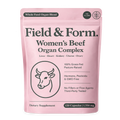
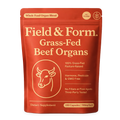
Our Beef Organ Complex goes further — pairing liver with heart, kidney, pancreas, and spleen to provide the synergistic nutrition of the whole organ suite, the way our ancestors ate.
Frequently Asked Questions
How much beef liver is safe to eat?
Most nutritional guidance suggests 1–3 servings of 3–4 oz per week for healthy adults. If you're pregnant, consult a healthcare provider about vitamin A intake from all sources.
Is beef liver safe during pregnancy?
Beef liver is one of the most nutrient-dense foods you can eat during pregnancy — rich in folate, iron, B12, and choline. The caution relates to vitamin A: high-dose synthetic vitamin A supplements are associated with birth defects, but evidence for whole-food sources at reasonable serving sizes is reassuring. We recommend discussing this with your midwife or healthcare provider.
Is grass-fed liver better than conventional liver?
Yes — meaningfully so. Grass-fed liver consistently shows higher concentrations of fat-soluble vitamins, better fatty acid profiles, and richer B-vitamin content. It's the only source we use.
Ready to feel the difference?
Five grass-fed organs. Freeze-dried. No fillers. 30-day supply.
Shop Beef Organ Complex